
PublicAccessTV
General
- Public, educational, and governmental (PEG) access requirements for cable companies -- http://www.fcc.gov/mb/facts/pegfacts.html
- PublicAccessVideos - List of videos we can consider airing.
- ProductionStudios - List of video production studios
San Diego County
- County Television network (CTN) channel 24 - http://www.sdcounty.ca.gov/ctn
- See PublicAccessProgramGuide for details on the current line up of programs.
- coxpublicaccess.pdf: Cox Cable guidebook for use of Public Access
- Cops.GovernmentAccessChannel - Projects to keep religious and partisan videos from David Barton's Wallbuilders off of Government Access television. These were being aired for four years prior to our complaint.
- CoxPublicAccessTV Studio
- 619-596-3290 - Direct line
- 1277 Cuyamaca St., El Cajon CA
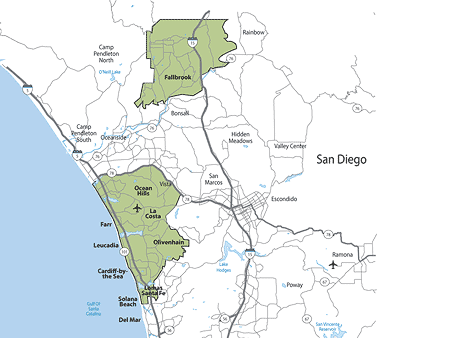
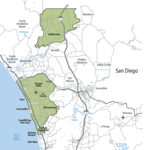
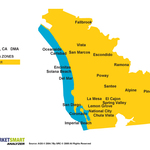
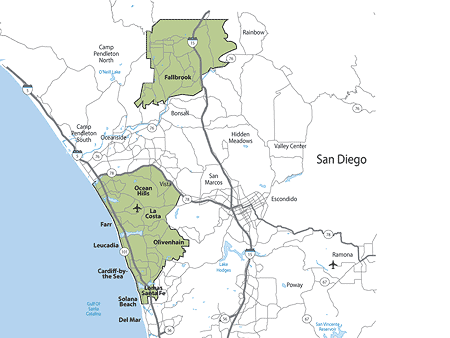
- Coverage Map for COX Public Access TV:

- Time Warner Cable Coverage Map:
- Time Warner Public Access Website: http://community.twcsd.com/publicaccess/default.asp
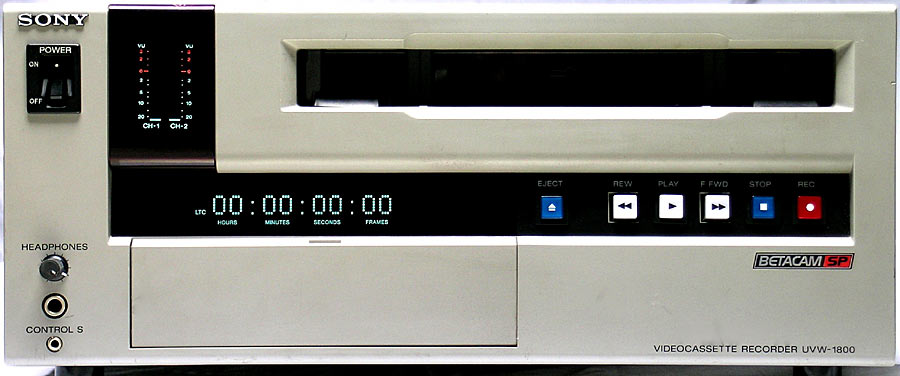
- Note: Time Warner uses U-Matic tapes (http://en.wikipedia.org/wiki/U-matic) known as 3/4" and are not compatible with the Betacam-SP tapes used by Cox.
Summary of the situation
Almost all of the information below is obsolete. Most cities have canceled their contracts with PA studio including San Diego and El Cajon. If you live in Encinitas and other areas and are a Cox subscriber, then you can still submit videos on DVD in a slimline case.$ENDHILITE%
Had an extensive discussion with Kenneth Schwarz at the cox public access studio at 1277 Cuyamaca St. in El Cajon. They have had to provide this by law to the community, but that does not mean they make it easy. Quite the contrary. These notes pertain ONLY to Cox Communications and not Time Warner.
- About every six months, they accept sign-ups for a workshops regarding submission of series on tape (See more on "series" below) and to learn to use their production studio.
- The studio in El Cajon is the only Cox Communications Public Access studio in the county. Previously, there was one in Oceanside, but it has been closed.
- More than 75% of the programs that are aired are religious in nature.
- There are three ways to get programs on the air.
- Specials - video submitted by residents
- Each will be aired 2 or three times, held for a month and can be resubmitted once every 6 months.
- Programs that are not controversial can be re-aired at a later time to fill in dead air.
- "Special" programs can be 28.5 minutes (1/2 hour) or 57 minutes (1 hour) in length, or any length.
- Programs that are too long are aired at the "end of the day," 9pm on Monday, later on other days. There is no end on weekends.
- Specials must be submitted on Betacam-SP tape with specific details like color bars, 30 seconds blank, program, then all blank to the end.
- Programs cannot include specific times/dates because there is no guarantee when they will play.
- Available to all county areas except unincorporated county, La Mesa, Oceanside, Lemon Grove. National City will expire this year. El Cajon/Santee residents CAN submit.
- There is no requirement to attend any workshops to submit specials, just follow the guidelines.
- Series - video submitted by producers who want a regular 1/2 hour time slot
- Same as specials, but must be a regular show that can be repeated, and committed producer
- Must submit at least six shows at one time to be allotted the time slot, and then produce one per week.
- This would be great for an organization that has plenty of volunteers who want to have some time on the air.
- Producers must sit through a workshop, the next one is May 5, 2009 sign-up and May 16, workshop (9a-2:30p).
- Full Access Producers - authorized to use the cox Public Access studio to produce shows.
- Limited to residents of San Diego, Santee, Chula Vista.
- Producers must complete the workshop that relates to this issue. The next one as of this writing is Sept 22 sign up and Oct 2/3 workshop.
- Much of this workshop is the same as for series.
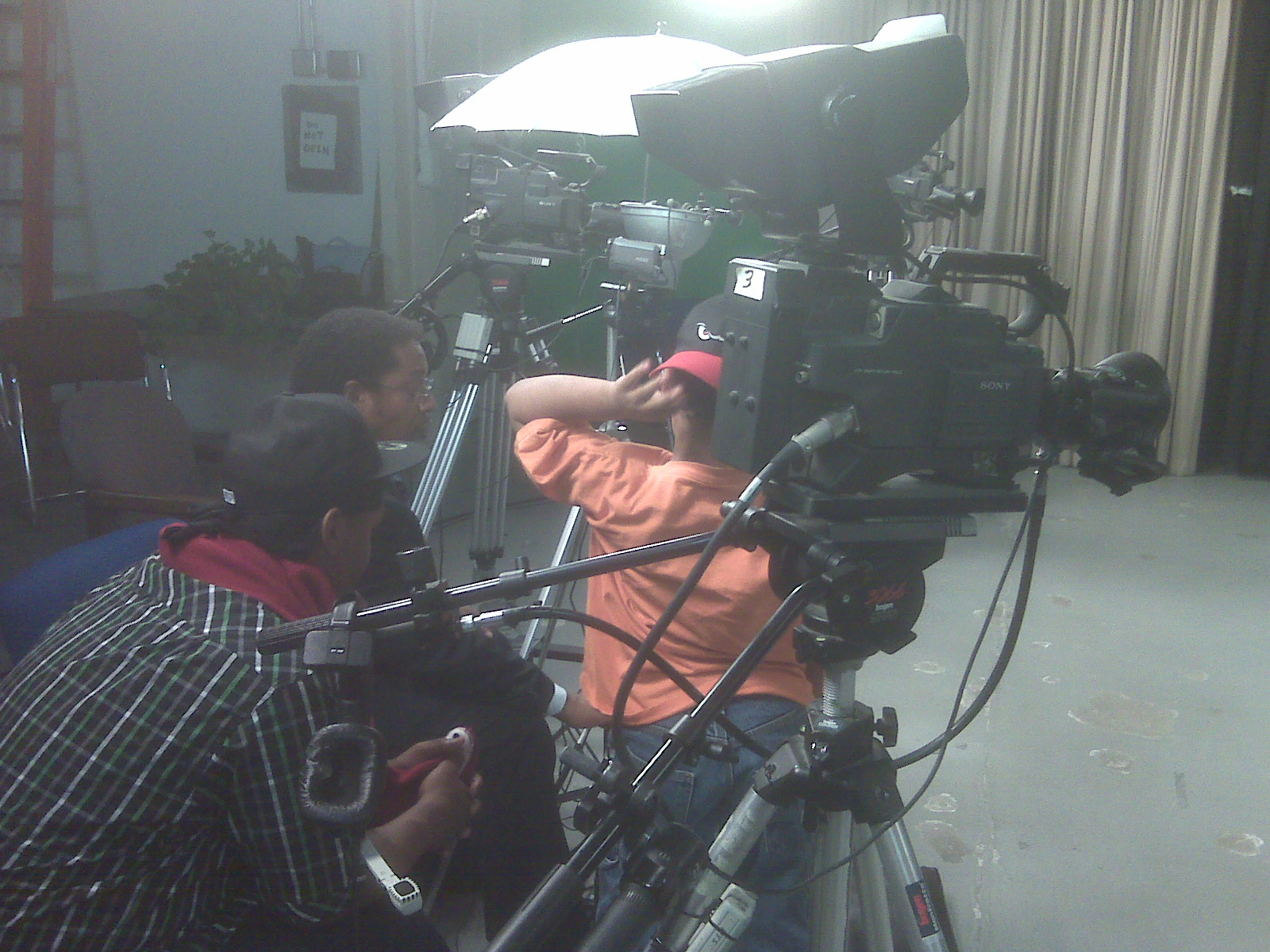
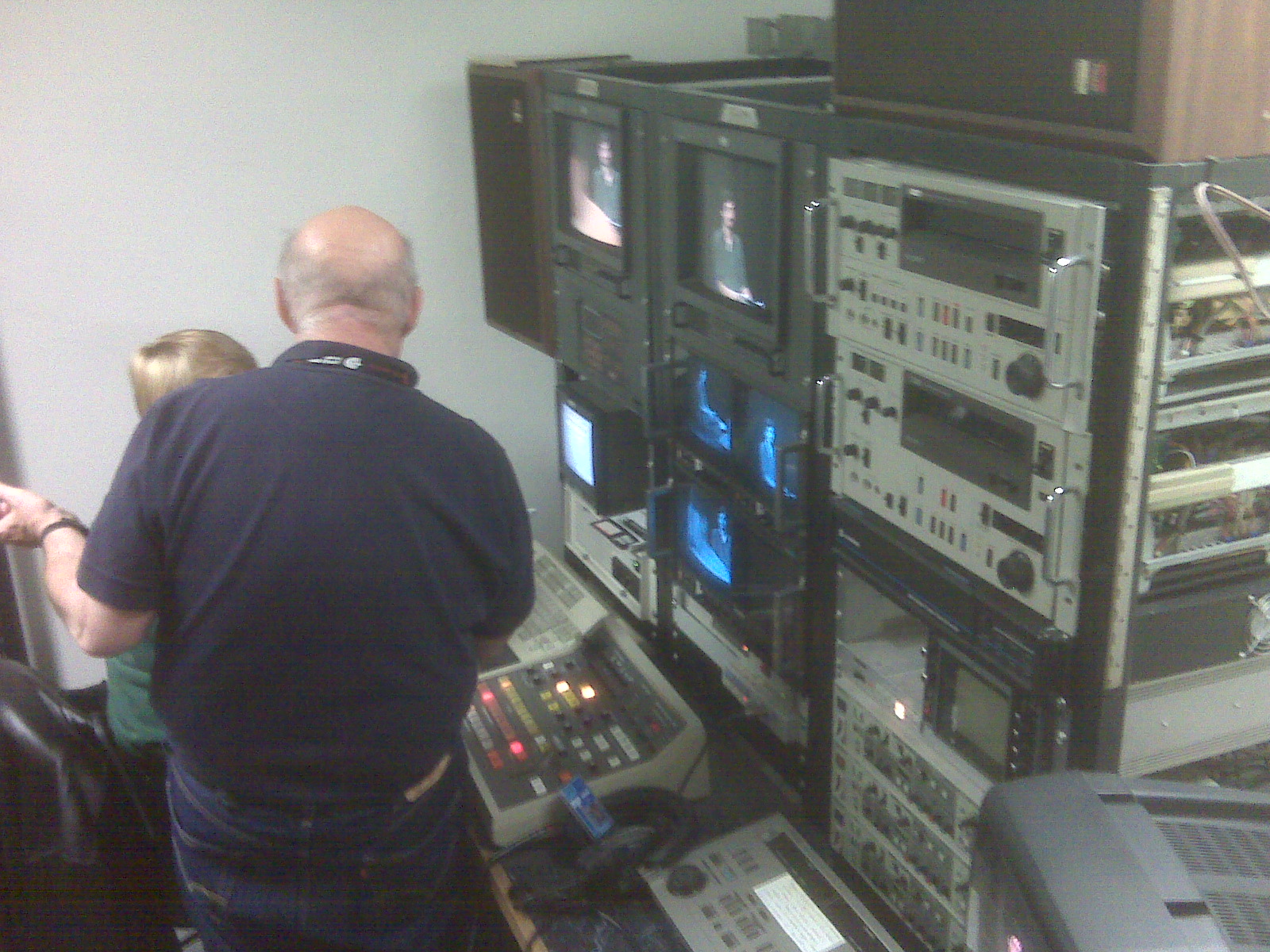
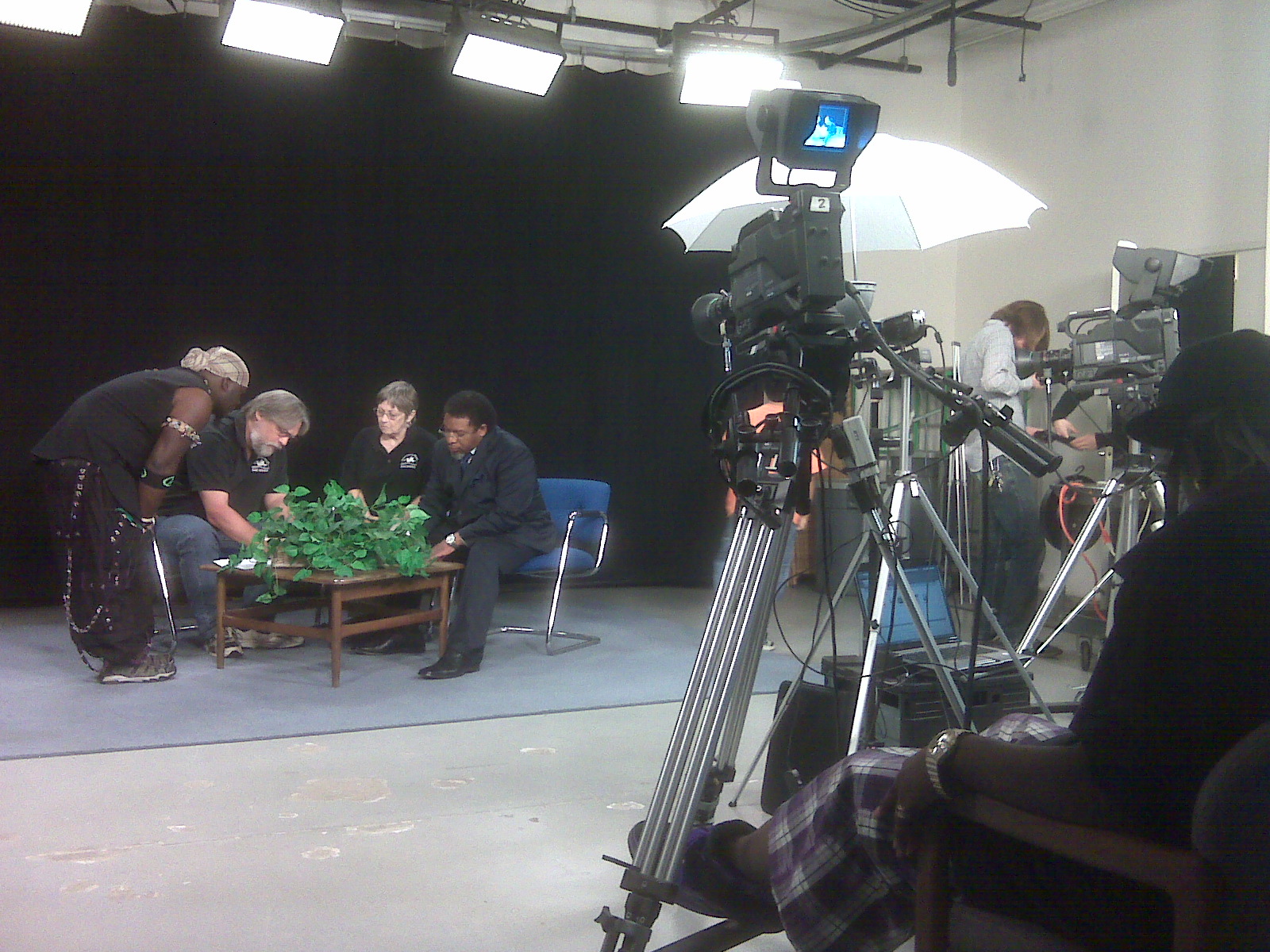
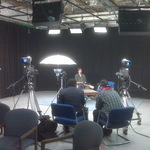
- The studio includes three professional cameras, mixing station, audio mixer, microphones, etc.
- Typical production includes 10+ people:
- Three camera operators
- One floor manager - keeps control of studio, shows time left in the show.
- One Producer who determines which camera shot to take and gives instructions to camera operators
- One audio engineer who mixes the audio, plays background music, etc.
- One titles operator, who inserts titles into the video as it is shot.
- Host and one or more guests.
- Studio production limited to residents of Santee, San Diego, Encinitas, Solana Beach.
- Primary producer need not actually do the work, but must be on hand whenever the studio is used.
Some limits
- Producer must 18 or over.
- Ok to interview candidates, but can't ask for donations. Vote for me is Okay.
- Can give away a limited number of items
- No direct payment for anything but expenses allowed.
- However, probably can have people join a "club" to get payment.
- Cannot give credit or acknowledgment to any person, business, enterprise, product or foundation for which economic consideration has been made. i.e. no commercials.
- Grants or other types of support can be made to individuals, groups, or entities to underwrite the cost of creating or producing the programs, and a nondescript "Patron's acknowledgment" may be placed at the beginning and at the end. No logos, jingles, etc. just block letters.
- Cox can inspect the budgets, sponsorship agreements and financial statements with regard to underwriting.
- No web sites, phone numbers, or addresses of guests. Must use common phone/website of sponsor.
- Main web site must not have commercial activity.
- Cox may require written scripts or transcripts of the program.
Technical Standards
- Betacam SP tapes, either 30 min (small size), 60 or 90 min (large size) tapes with time base correction.
- Digital source material is no problem.
- Series Programs must be 1/2 hour or hour formats:
- Between 27:00 and 28:30 (1/2 hour)
- Between 57:00 and 58:30 (1 hour)
- Specials can be any length, and can use more than one tape.
- 60-75 seconds of color bars followed by 15-30 seconds of studio black, then program video.
- Tape after the program must be blank (studio black).
-
All tapes must have a labels on box and tape with the following information:
- Title of the show
- Episode in a series, if appropriate.
- "Special" denoted if appropriate.
- Length of the program, to the second.
- Name and phone number of Public Access Producer or Organization
- Date that the show was completed.
- Drop off and pick up tapes at 1277 N. Cuyamaca St. in El Cajon.
All this is changing...
Unfortunately, we are faced with changes in this area, mostly instituted by AT&T and the DIVCA laws. See below.
- Final_DIVCA_resolution_80254.pdf: DIVCA resolution is causing immense changes.
I. understand this transfers cable franchises from the local jurisdiction (city county) to the state.
* The original argument was that cable operators are not required to support poor or needy areas.
* However, many contracts specify that they must, such as San Diego.
* Despite this being a key argument, it was dropped from the final law.
Here is the actual law that is causing the changes:
http://info.sen.ca.gov/pub/05-06/bill/asm/ab_2951-3000/ab_2987_bill_20060929_chaptered.html
My notes from the May 16, 2009 training for Series Producers
- Initial submission -- Six Programs (six tapes)
- Reviewed carefully for content
- Oceanside has own channel
- A bit of history -- San Diego was a perfect example of how cable TV started.
- CA - Community Antenna
- Originally set up an antenna on Cowles Mtn so El Cajon could get clear reception and LA Channels.
- Early 60s - Backlash -- it was called "Pay TV"
- Channel 8 led charge to stop cable.
- FCC froze expansion of cable TV
- Cox
- was a school teacher in Ohio
- Started buying papers to present Democratic viewpoint
- Ran for governor
- Was Democratic candidate for president, his running mate was FDR
- 50s - started buying cable companies
- Our area, pacific and mission cable
- Became Cox in the 70s
- Based in Atlanta now.
- ABC originally mainly radio, reruns on TV
- Across the border on Chnl 6 "shakey"
- Moved to chnl 39 (UHF)
- Crappy signal but could claim larger audience because of cable.
- laws passed to avoid duplication of channel
- People wanted LA News
- Channel 4 added for local service
- Activist group CVC was key to getting access for communities
- Public Access is a service of the community, not of Cox.
- There is a different agreement for each jurisdiction
- There used to be a 3rd big cable company, Dimension Cable.
- purchased by Cox
- had some prior obligations
- Public Access is on chnl 18 in that area -- same content.
Related media
 M834 2009-09-01 Understanding Community Media -- Kevin Howley Sage Publications
  M795 2008-12-11 AT&T and L.A. City Hall Quietly Lead a National Push to Silence the Little Guy -- Patrick Range Mc Donald L.A. WEEKLY
  M660 2008-10-20 A Question of power -- Stop the Sunrise Powerlink -- Diane Conklin Donna Tisdale CitizensOversight
 - M970 2008 9/11 -- Blueprint for Truth -- Richard Gage, AIA AE911truth.org
- ZeitgeistTheMovie 2007-06-25 Zeitgeist The Movie -- Peter Joseph
- M810 2007-02-20 9/11: The Myth and Reality -- David Ray Griffin 9/11 TV.org
- M987 2007 Occupation 101 -- TRIP’OL’II PRODUCTIONS
Snapshots
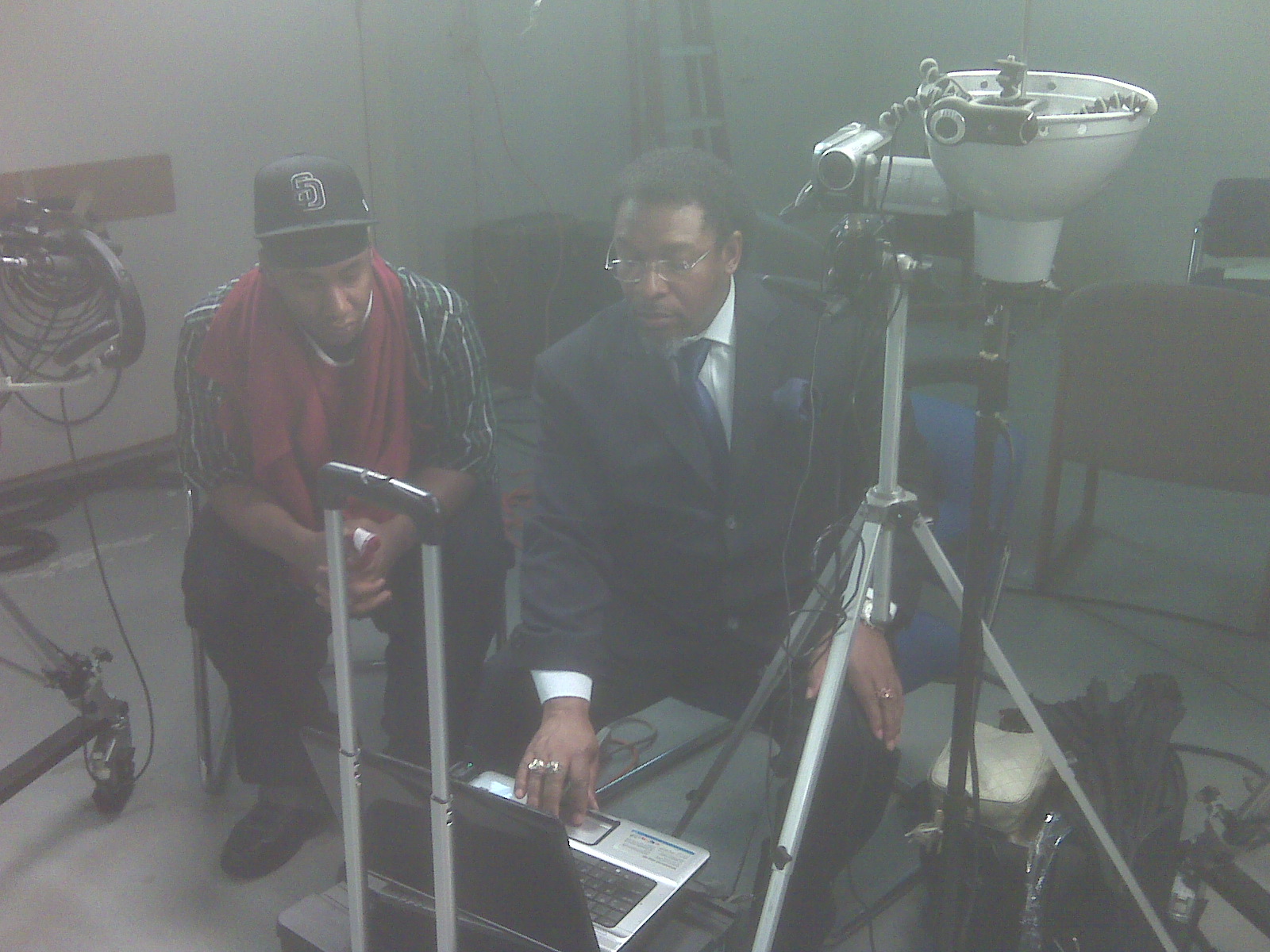
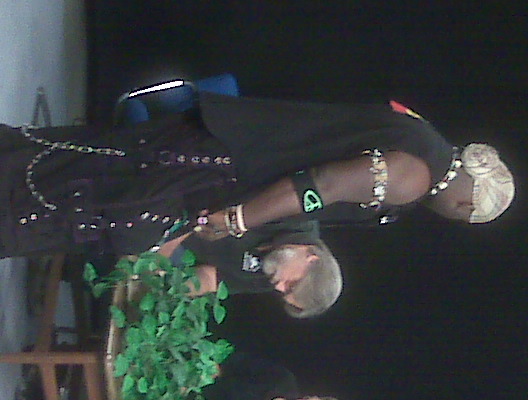
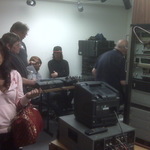
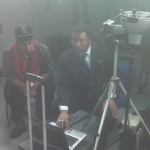
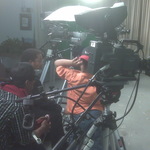
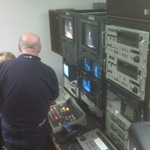
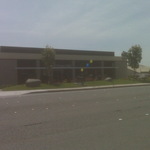
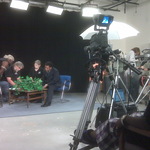
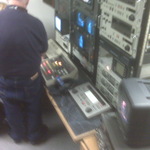
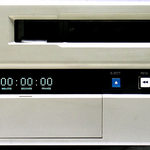
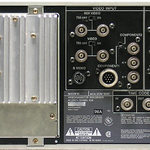
Here are some images of the Cox studio. Building has no marking on it. Click for more information.





Notes regarding use of Sony UVW 1800 Betacam-SP Recorder
- Sony_UVW-1800_Betacam-SP_Recorder_Manual.pdf: Sony UVW-1800 Betacam-SP Recorder Manual
- 60 minute tapes actually about 64 minutes long.
- Poor color results from using PC to TV box and component outputs to component on on UVW-1800. Perhaps this is due to impedance mismatch.
- Better color results from using S-Video output, as this is a well-defined cable type.
- However, resolution and clarity still are somewhat poor going through the PC to TV box.
- Would be better to have a video card that outputs directly to S-Video to avoid the secondary conversion.
- Nebula has AGP Slot, purchased new video card to convert to S-Video.
- Created small converter box to generate sync pulse or recorder will not automatically sync.
Regarding Audio Levels:
From Alliance-public list:
There is a difference in signal levels between consumer electronics and pro.Had to add gain to audio coming in so it would be compatible with Betacam-Sp recorder, which apparently requires pro-audio levels.If the equipment has RCAs out, that probably indicates consumer levels, which are far below pro levels (which I believe is 1v p-p)
The pro equipment may want pro-levels, so some kind of output gain may be required.
DO NOT make long runs of consumer-level, unbalanced RCA-type cables. Convert to balanced (at least) and pro-levels (preferably) as soon as possible, and stay balanced for as much as possible.
I. remember some audio engineers affectionately refer to RCA leads as "arials" (or antennas) for their propensity to pick up hum and other interference!
Sources and references
- http://www.fmsystems-inc.com - lots of application specific electronics for audio and video work.